
From vision to creation
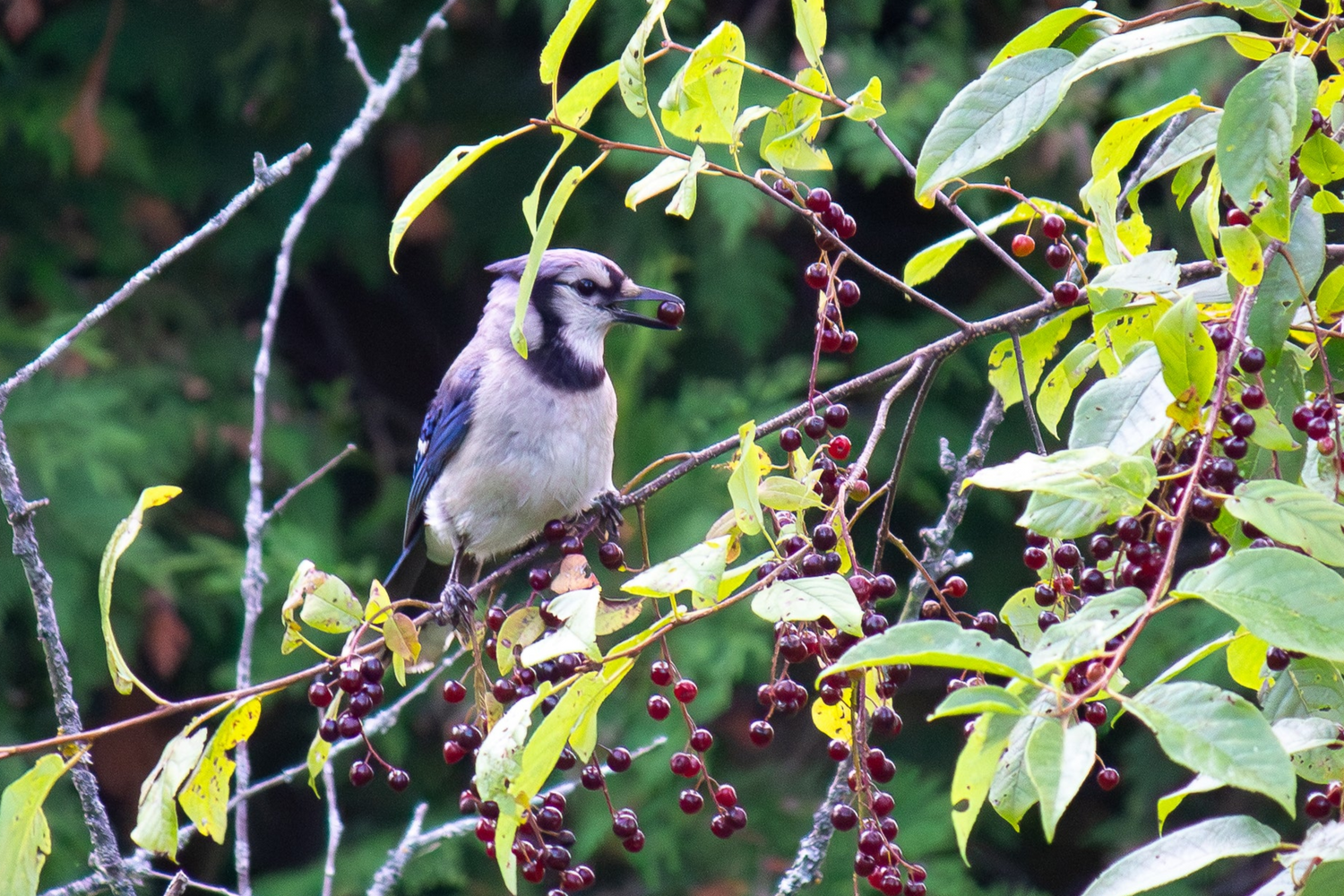
1. INSPIRATION
Katia's goal is to capture the essence of the animals she paints; their beauty, intelligence, vulnerability and resilience. Although birds are one of her favourite subject, she also enjoys painting creatures she has encountered during her hikes and travels.
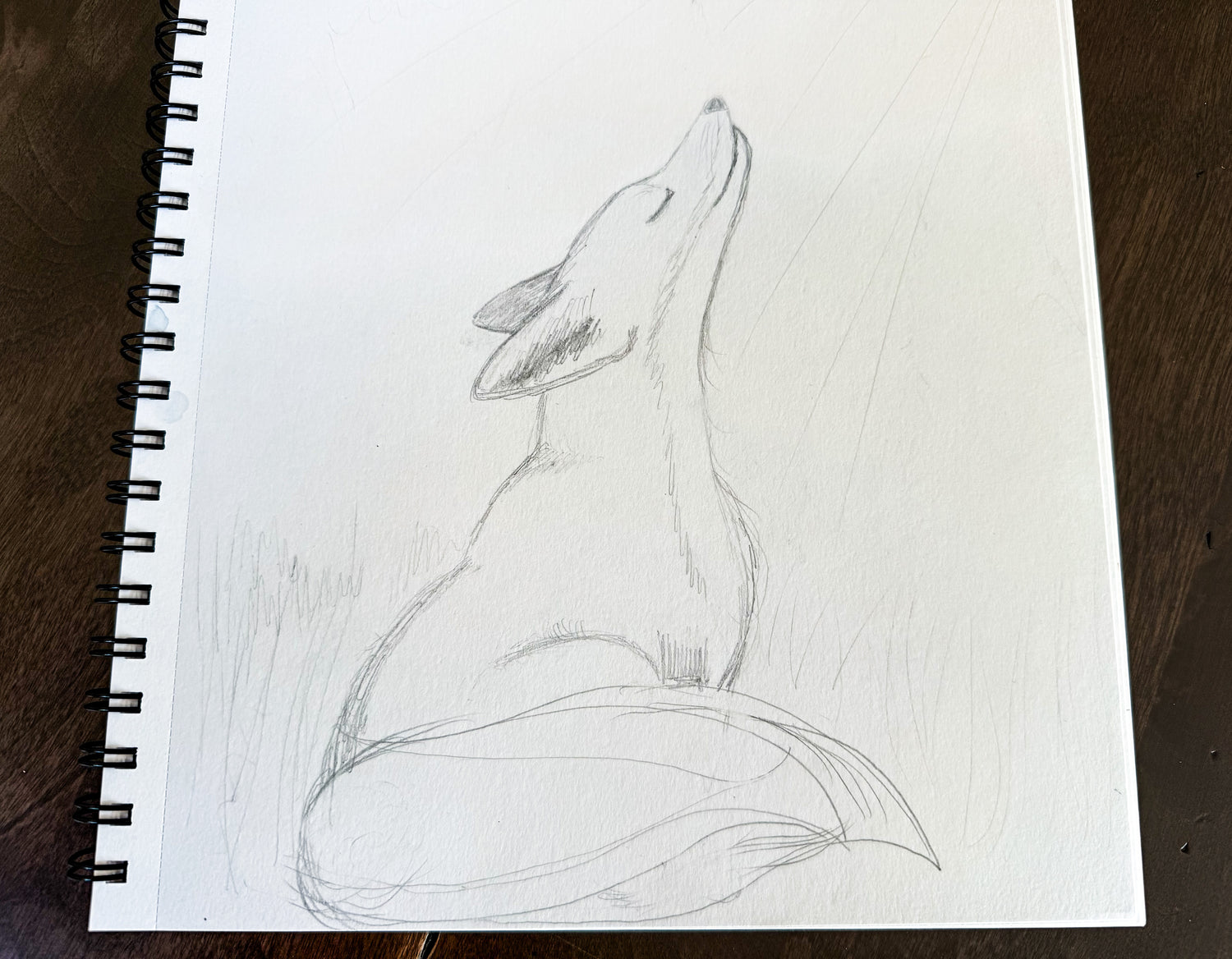
2. SKETCHING
In order to have an interesting composition, Katia creates several sketches before moving on to painting. She uses personal photographs and images she comes across online in order to study the anatomy of the animal so that she can paint them in a semi-realistic way. She prefers to limit the background and surroundings to a minimum and make the wildlife the true star of her art pieces.
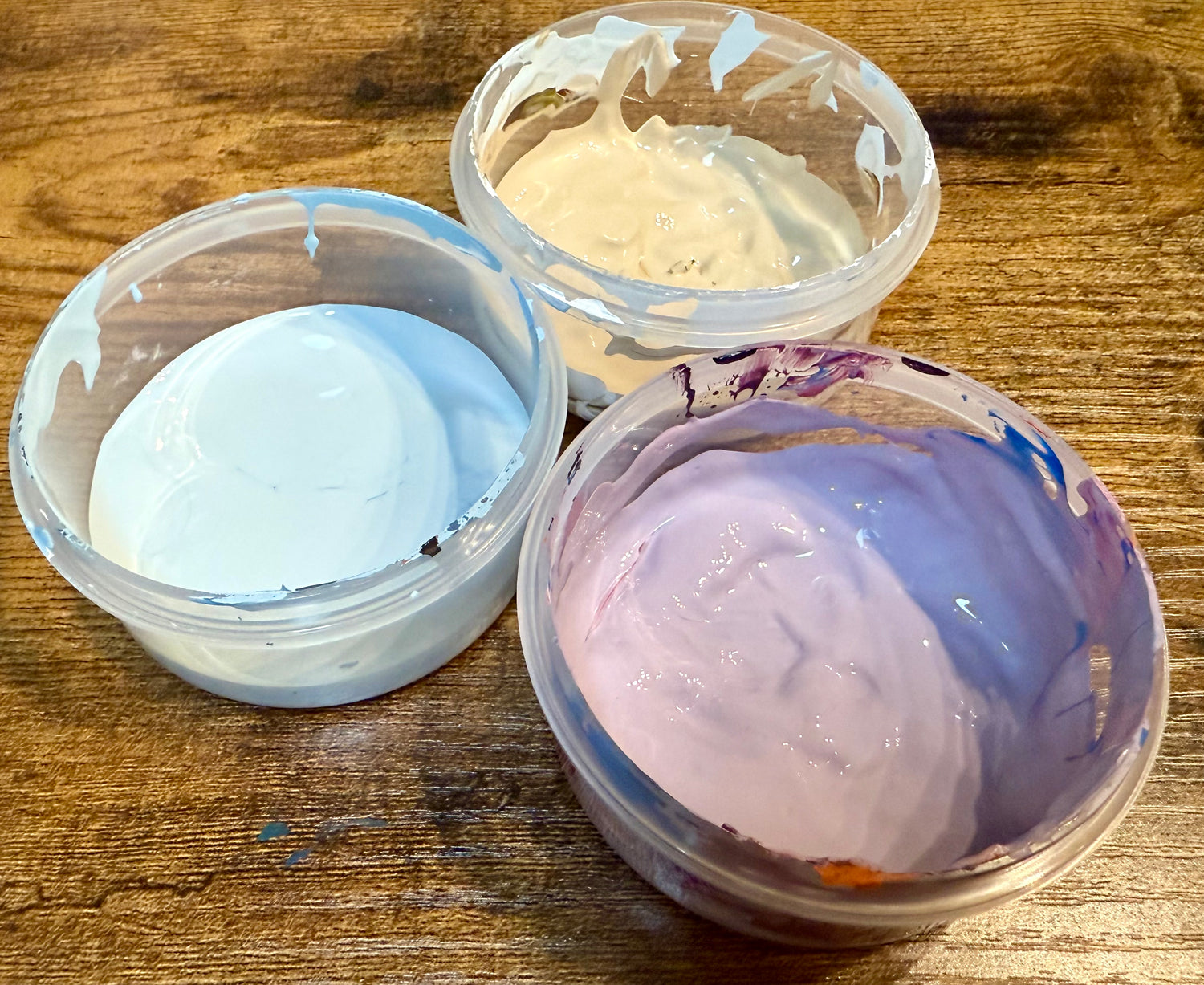
3. COLOUR MIXING
Exploring colour palettes for harmony as well as contrast of the subject matter against the background is a crucial step. Katia gravitates towards bold and bright colours, because it not only represents her personality, but she likes seeing her art stand out in a room. Nonetheless, she does not shy away from using pastel shades when suitable, as these values tend to have a calming effect.
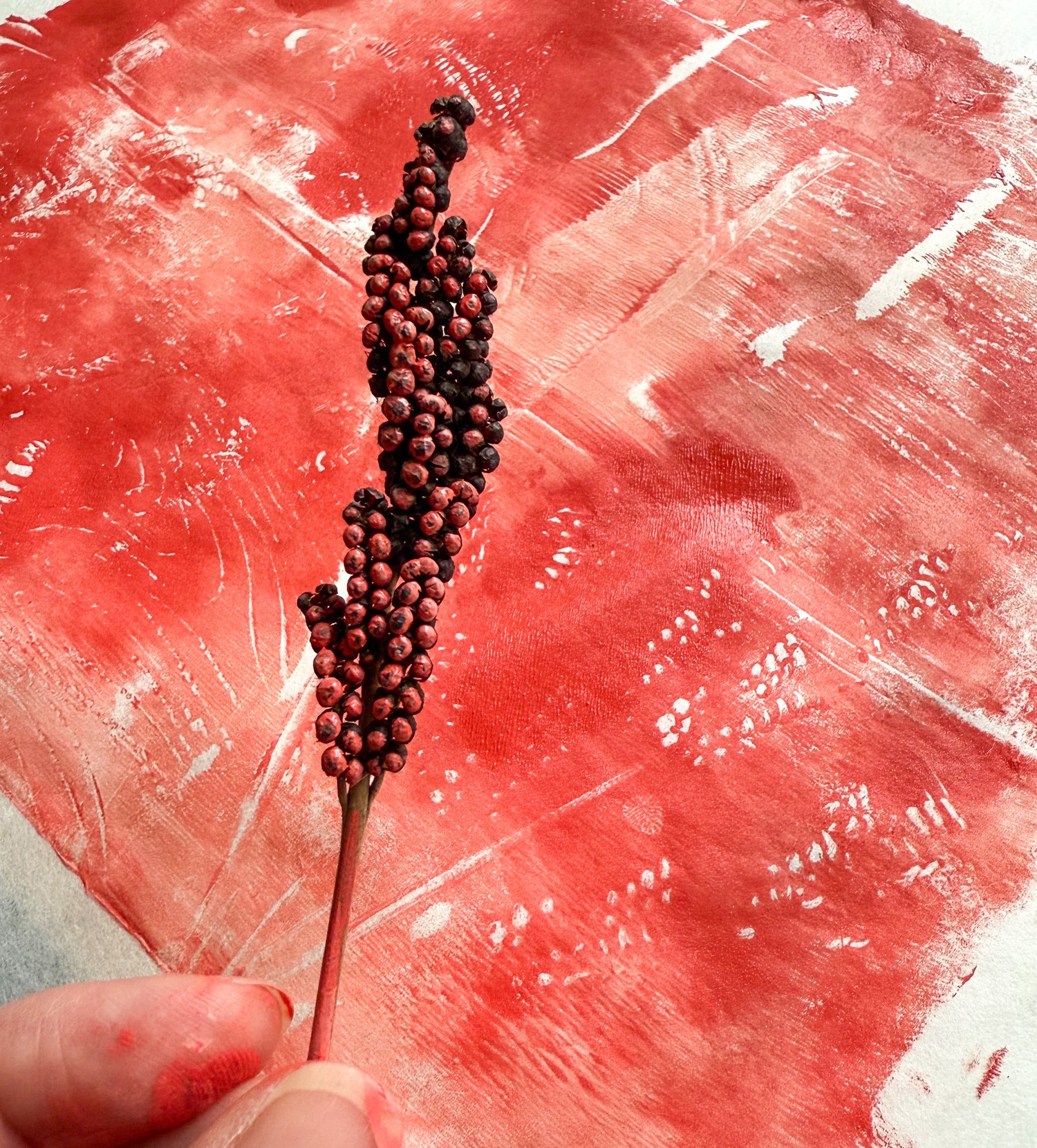
4. GEL PLATE PRINTING
Katia creates mixed media pieces, which involves a Japanese paper printing and collage component prior to painting with acrylics. In order to create interesting textures during the printing process, she gathers natural materials from her backyard and hikes (she calls them "nature's treasures"), and combines them with man-made items around the home. She tends to repurpose items destined for the landfill during this process. By using a mix of botanicals and objects, Katia highlights the human footprint on nature, the importance of conservation, as well as the "reduce, reuse, recycle" motto.

The next step is to apply paint to her gel plate using a brayer. The collected materials are pressed onto the gel plate to create texture and patterns that are reminiscent of elements in the surroundings of the wildlife subject for that particular art piece. The textures are printed onto plain Japanese paper, which is in turn cut into strips or torn, then adhered onto the canvas. When creating the collage background, Katia pays attention to what has appeared on the paper and uses it purposefully to guide the eyes around the canvas. At times, patterns might have formed onto the paper, which resemble a flower, wind, water, etc. These gems are what she loves about this printing process.
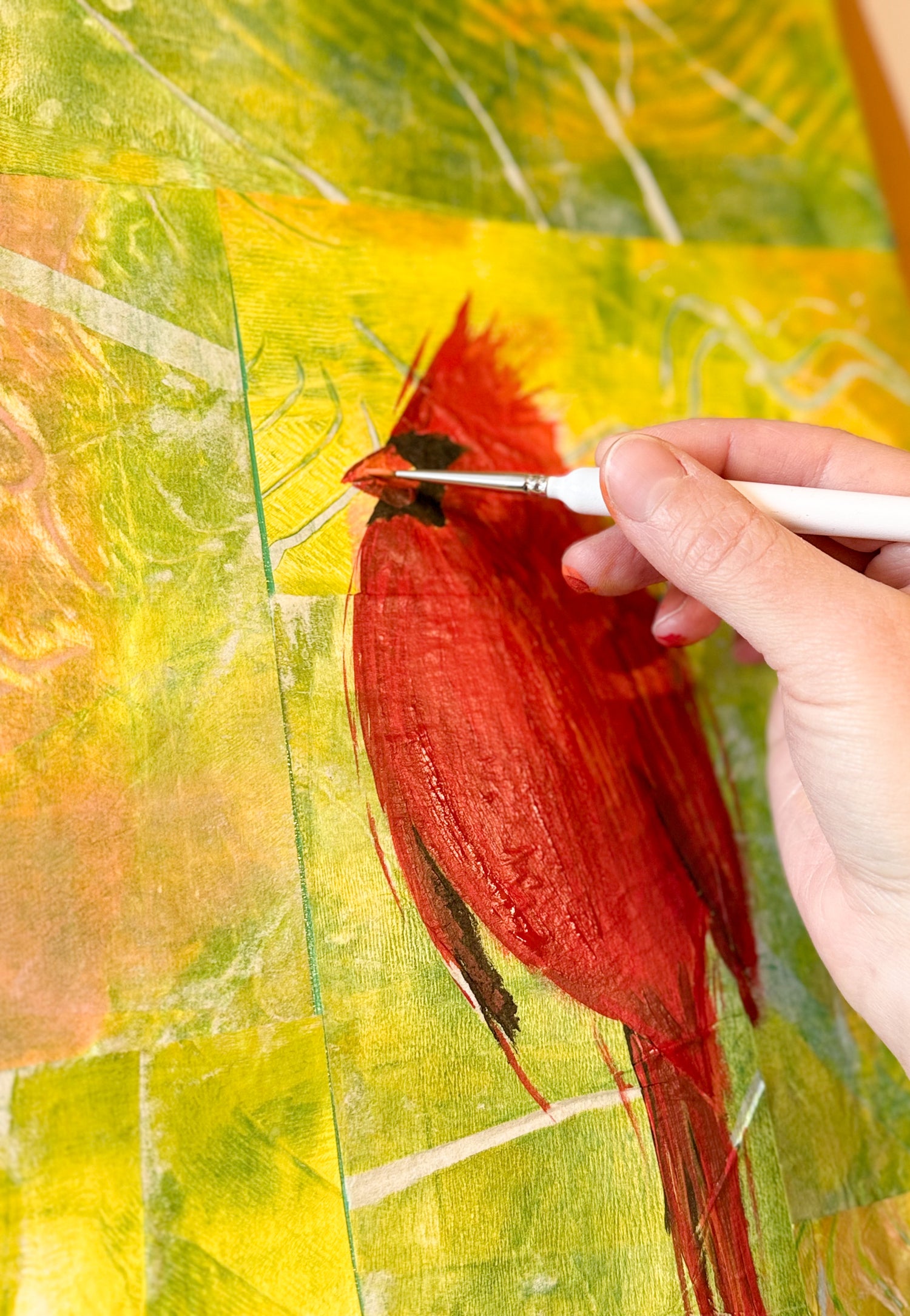
5. PAINTING
After her collaged background is assembled, Katia moves on to painting her subject. This is where she uses her rough sketch to position the animal onto the canvas, while simultaneously letting the backdrop inspire this process. She likes to paint with flow and adds finishes touches with quick brushstrokes and dots, emulating movement and the uneasiness today's wildlife must feel in their shifting environment.